Product
Product Categories
blog
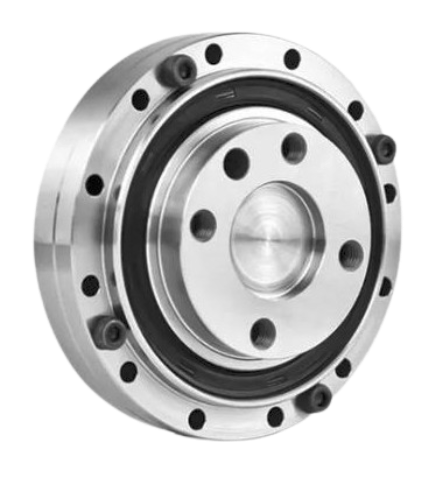
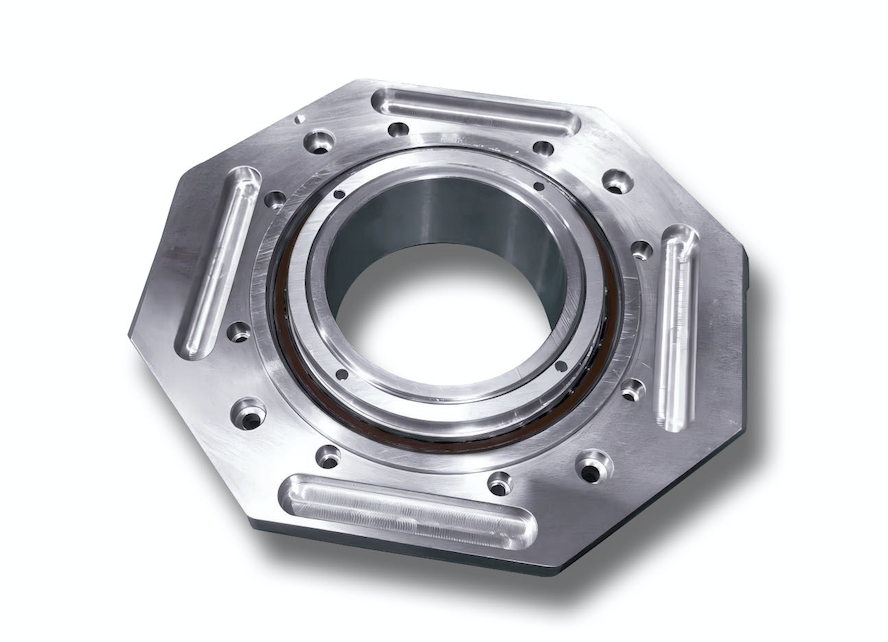
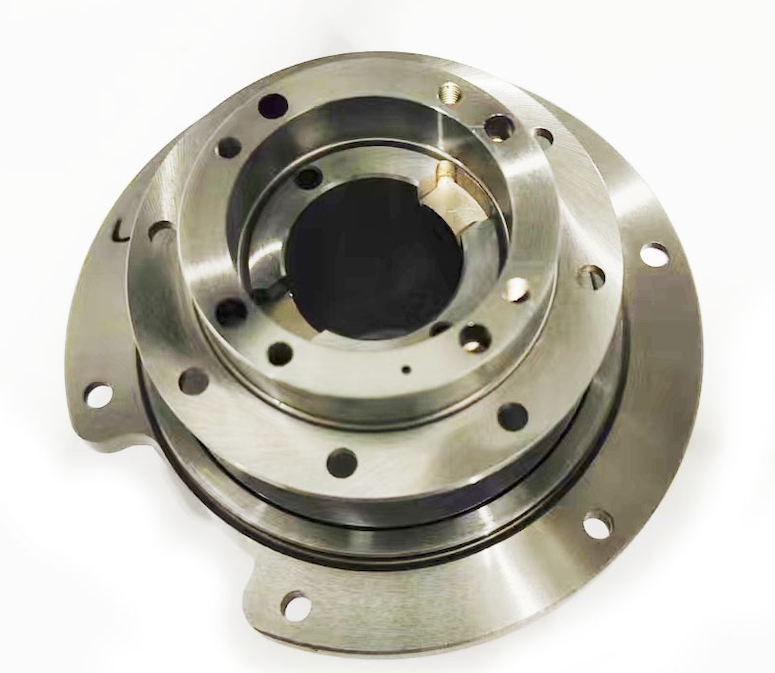
The integrated bearing adopts an integrated structure, which effectively reduces the precision error caused by the superposition of multiple parts.
Robot reducers have the characteristics of high precision, high rigidity, high load, high speed ratio, high lifespan, low inertia, low vibration, low noise, low temperature rise, compact structure, and simple installation. Currently, there are two main types of reducers used in the field of robot reducers: harmonic reducers and RV reducers.

The integrated bearing adopts an integrated structure, which effectively reduces the precision error caused by the superposition of multiple parts.
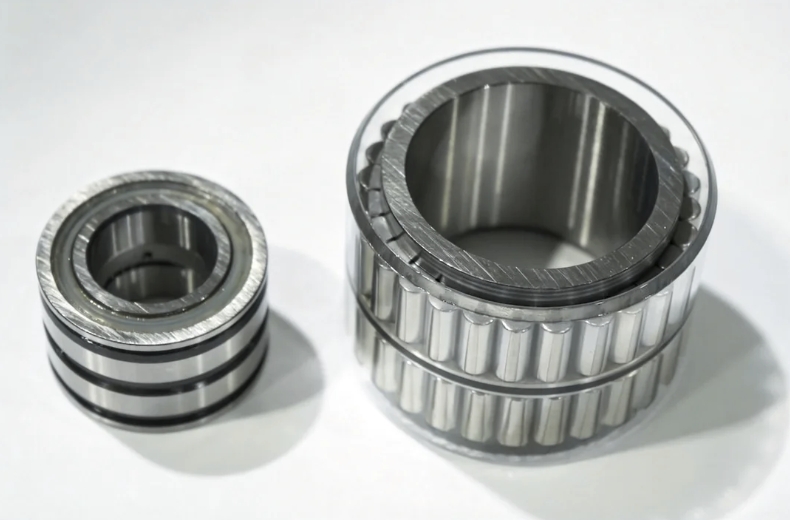
The rollers in cylindrical roller bearings are typically guided by two flanges on one bearing ring. The cage, rollers and guiding ring form an integral unit that can be separated by the other bearing ring; these are therefore classified as separable bearings. Such bearings are relatively easy to install and disassemble, and their advantages are particularly evident when interference fits are required between the inner and outer rings and the shaft or housing
These bearings are generally used only to support purely radial loads; only single-row bearings with flanges on both the inner and outer rings can withstand small fixed axial loads or large free axial loads.
Compared with deep-groove ball bearings of the same external dimensions, these bearings have a higher radial load capacity. However, they place higher demands on the machining accuracy of related components, such as the shafts and housing bores, that mate with them.
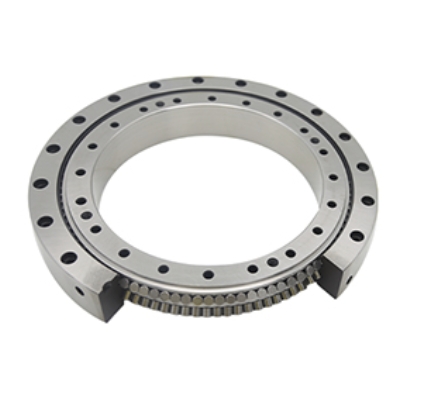
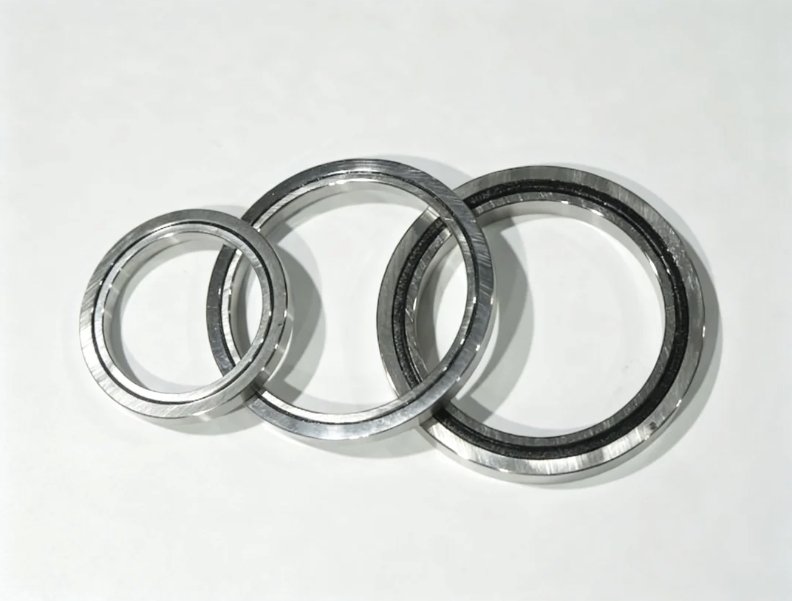
In a crossroller ring, cylindrical rollers are arranged perpendicularly to one another by spacers on 90degree Vgroove raceways. This design enables a single bearing to withstand loads in all directions, including radial loads, axial loads and moment loads.