Product
Product Categories
blog
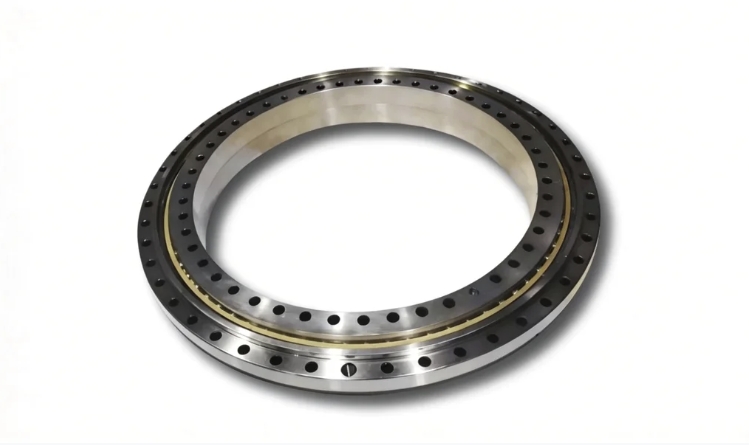
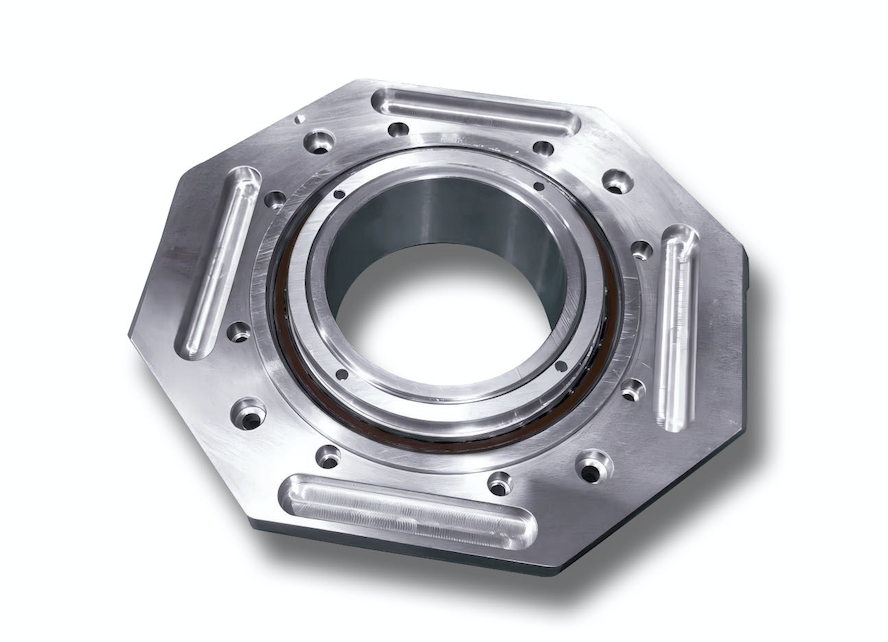
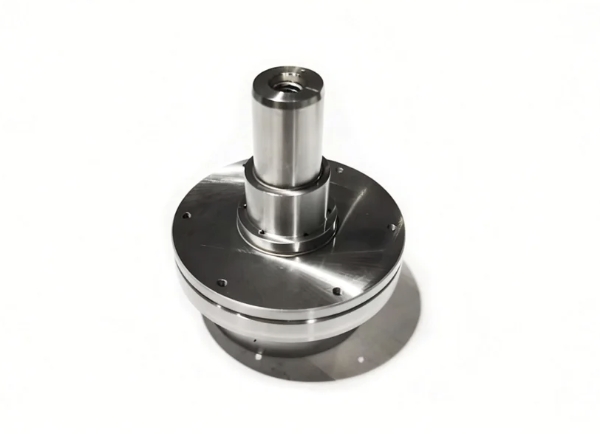
The integrated bearing adopts an integrated structure, which effectively reduces the precision error caused by the superposition of multiple parts.
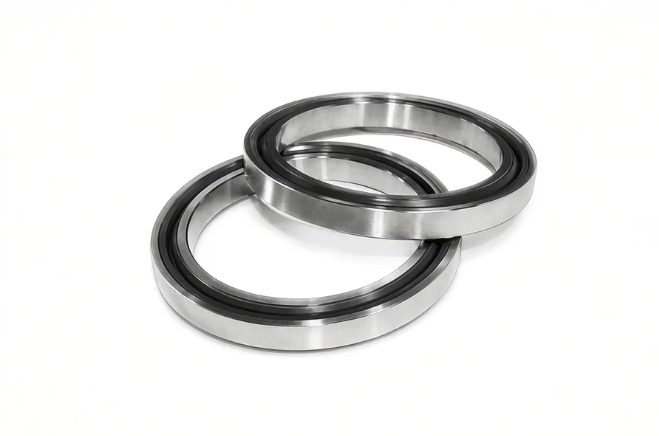
Single-row angular contact ball bearings can support both radial loads and axial loads in one direction, as well as pure axial loads in a single direction.
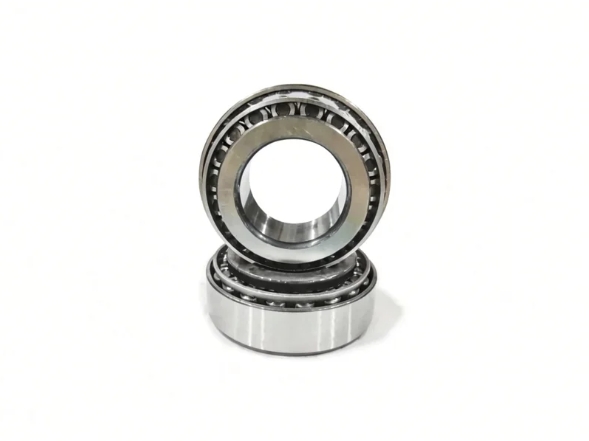
Tapered roller bearings are primarily suitable for withstanding combined radial and axial loads where the radial component predominates, whilst tapered roller bearings with a large contact angle can be used to withstand combined radial and axial loads where the axial component predominates. These bearings are of the separable type, meaning that the inner ring assembly (comprising the tapered rollers and cage) and the outer ring can be fitted separately. During installation and operation, the radial and axial clearances of the bearing can be adjusted, and the bearing can also be fitted with a pre-interference fit.
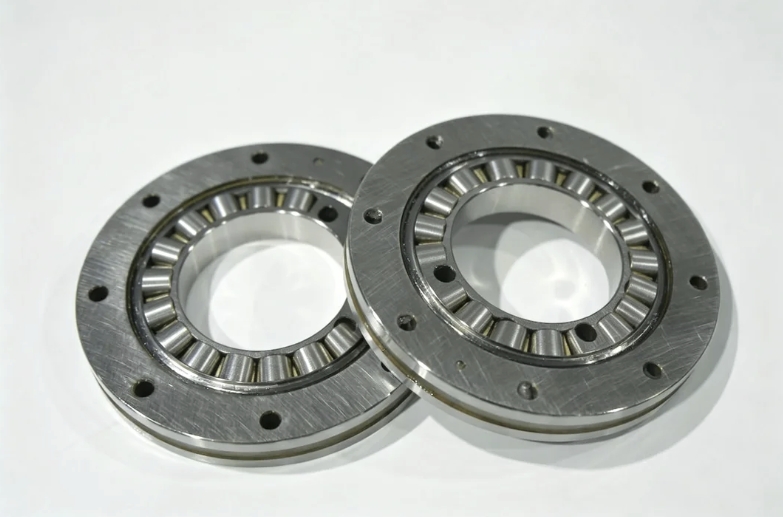
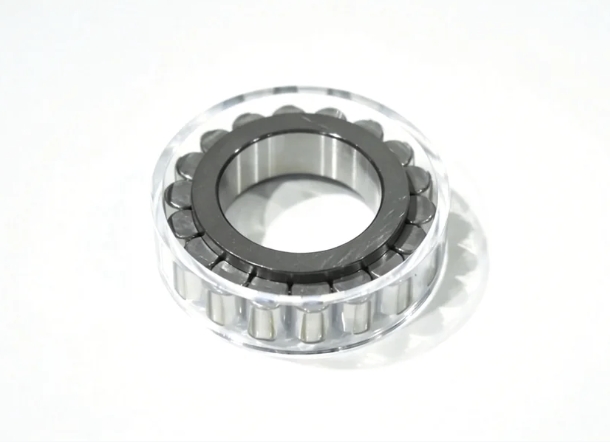
The rollers in cylindrical roller bearings are typically guided by two flanges on one bearing ring. The cage, rollers and guiding ring form an integral unit that can be separated by the other bearing ring; these are therefore classified as separable bearings. Such bearings are relatively easy to install and disassemble, and their advantages are particularly evident when interference fits are required between the inner and outer rings and the shaft or housing
These bearings are generally used only to support purely radial loads; only single-row bearings with flanges on both the inner and outer rings can withstand small fixed axial loads or large free axial loads.
Compared with deep-groove ball bearings of the same external dimensions, these bearings have a higher radial load capacity. However, they place higher demands on the machining accuracy of related components, such as the shafts and housing bores, that mate with them.
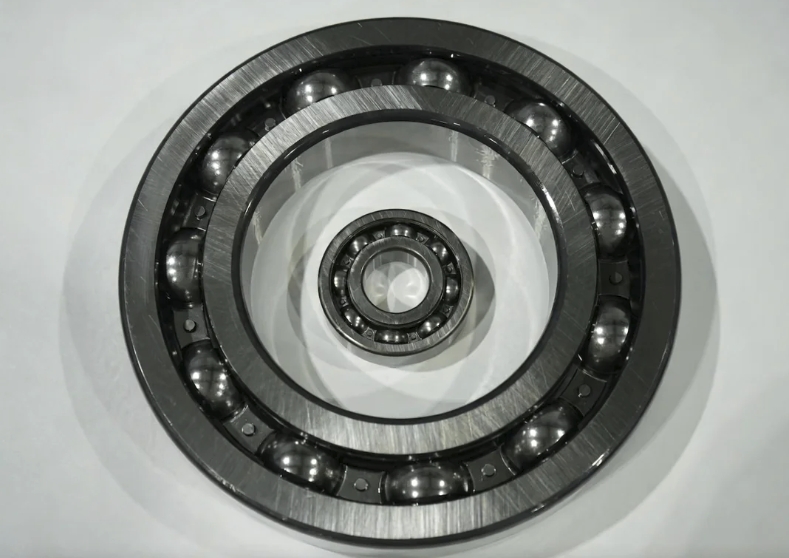
Deep-groove ball bearings are the most common type of rolling bearing, characterised by deep, arc-shaped grooves in both their inner and outer raceways.
Deep groove ball bearings are primarily used to support radial loads and relatively small axial loads. They have a very low coefficient of friction and a high limiting speed; sealed versions require no further lubrication or maintenance.
Deep groove ball bearings have a simple structure and, compared to other types, can be manufactured to a higher degree of precision. They are suitable for mass production, have low manufacturing costs and are extremely convenient to use.
In addition to the basic type, deep groove ball bearings come in various modified designs, such as: deep groove ball bearings with dust caps; deep groove ball bearings with rubber seals; deep groove ball bearings with retaining grooves; deep groove ball bearings with ball-filling ports; and double-row deep groove ball bearings.